
ML/AI for Biologics Developability, Optimization, and de novo Design
Unfolding Applications and Real-World Examples
1/20/2026 - January 22, 2026 ALL TIMES PST
Computational models and methods combined with structure-based design are transforming the way antibodies and proteins are assessed for developability and optimized for development. By leveraging vast amounts of data and advanced algorithms, these models can predict key properties such as aggregation propensity, immunogenicity risk, solubility, and stability, enabling the selection of lead candidates with optimal developability profiles. De novo design is enabling the creation of entirely new biological molecules, including mini proteins and novel scaffolds. These approaches leverage computational tools and AI to design molecules with specific and novel therapeutic properties that lead to innovative and first-in-class treatments. CHI's 2nd Annual ML/AI for Biologics Developability, Optimization, and de novo Design track at the BioLogic Summit provides a platform for researchers to share cutting-edge strategies for building, validating, and applying these models. Attendees will learn about the latest advances in automated model generation, integrated multi-modal models, intuitive interfaces and design environments, and approaches for enhancing model generalizability, scalability, interpretability, and explainability. The conference will also showcase real-world examples of how these models are being used to accelerate the development of next-generation biotherapeutics, including complex modalities, ADCs, and multispecific antibodies. The paradigm shift in evaluation of drugs from animal testing to predictive preclinical models using AI is predicated on advanced computer simulations, as well as human-based lab models, lab-on-a-chip, organ-on-a-chip, and closed loop systems. This meeting will highlight the integration of lab-based experimental methods with computational approaches to improve success rates in drug development.
Tuesday, January 20
Registration and Morning Coffee
Organizer's Welcome Remarks
APPLICATIONS OF LAB-IN-THE-LOOP FOR ANTIBODY AND PROTEIN DESIGN
Chairperson's Remarks
Good Targets, Bad Targets: Lessons from Testing Binders for over 50 Different Protein Targets

We’re running a high-throughput wet lab for protein designers. To date, we’ve synthesized and tested over 10,000 different proteins and performed binding assays against more than 50 different targets. In this talk, we’ll share insights on what makes some targets more difficult than others, how target properties influence protein design strategies, and what types of experimental data are most useful for improving machine learning models in this domain.
Lab-in-the-Loop Therapeutic Antibody Design
Therapeutic antibody design is a complex multi-property optimization problem that traditionally relies on expensive searches through sequence space. Here, we introduce “lab-in-the-loop antibody design,†a new approach to antibody design that orchestrates generative machine learning models, multi-task property predictors, active learning ranking and selection, and in vitro experimentation in a semi-autonomous, iterative optimization loop. In this talk, we will discuss considerations for scaling model-driven design across complex modalities and targets.
How to Think about Designing Smart Antibodies in the Age of GenAI: Integrating Biology, Technology, and Experience
Amgen is applying an integrated approach to therapeutic antibody engineering, combining modern computational protein design, predictive and generative AI, and high-throughput experimentation. Purpose-built ML models enable rapid generation and selection of therapeutic candidates with favorable developability indicators, and a tightly linked in silico–experimental workflow enables early and iterative feedback, improving how therapeutic candidates are designed, evaluated, and advanced across the discovery pipeline. We continuously adapt this workflow to more diverse therapeutic modalities and evolving automation technologies.
Sponsored by: Structure-Based Calculations for Predicting Properties and Profiling Antibody Therapeutics


Predicting potential liabilities, aggregation, viscosity etc. is of importance in antibody development. Computational property prediction methods are routinely used in the selection and optimization of candidate antibodies. High quality property prediction involves prediction of ensembles of 3D structures at specified pH to reduce sensitivity to single conformational states. We present 3dpredict/Ab which calculates ensemble-based predictions of antibody developability descriptors and putative liabilities. 3dpredict/Ab allows for out-of-the-box SaaS automation and integration of such complex simulations of hundreds or thousands of sequences.
Sponsored by: Applying in silico Tools for Protein Design: A Practical Review

This talk will present benchmarks, empirical results and best practices in applying the leading literature of molecular design tools for protein engineering applications. We will evaluate state-of-the art computational tools for de novo design, optimizations, and scoring of biologics, along with processes to create pipelines ready to be applied to discovery problems at scale. We will also discuss shortcomings and ongoing challenges and limitations of applying AI and physics-based tooling to practical discovery problems.
Grand Opening Coffee Break in the Exhibit Hall with Poster Viewing
ML/AI FOR BIOLOGICS ENGINEERING & OPTIMIZATION: FROM IN SILICO DEVELOPMENT TO REAL-WORLD DEPLOYMENT
Chairperson's Remarks

Assessing Generative Model Coverage of Protein Structures with SHAPES

Protein structural generative models have been applied to a wide range of design tasks. As part of our efforts toward designing functional proteins involving structural dynamics, we developed an all-atom model, Protpardelle, that leverages a language model–based architecture to generate 3D structures. Design decisions and training datasets guide the behaviors of ML models, and we developed an evaluation metric, called SHAPES, to reveal the biases in state-of-the-art generative models. Many challenges remain, but structure generative design points to new ways to create novel functional proteins.
Toward Biologics by Design: Computational Design and Optimization of VHH Therapeutics

This talk will present an overview of Sanofi's state-of-the-art computational pipeline for de novo design of VHH therapeutics. The integration of the computational workflow with customized wet-lab processes for efficient molecule discovery and optimization will be discussed. A use case demonstrating the application of the pipeline for the computational design of VHH building blocks against therapeutic targets will be shared.
Enjoy Lunch on Your Own
Refreshment Break in the Exhibit Hall with Poster Viewing
Keynote Panel Discussion
KEYNOTE PRESENTATION
Chairperson's Remarks

Designing the Next Generation of Biologics with Enhanced Functionality Using Machine Learning and a Rapid Iteration Wet Lab

BigHat Biosciences is transforming antibody discovery by combining machine learning and synthetic biology in rapid design-build–test cycles that generate thousands of candidates each week. Our platform goes beyond improving biophysics to engineer antibodies with enhanced functionality such as conditional binding and logic-based control (OR, AND, NOT) for greater safety and efficacy. In this keynote, we will share case studies showing how these innovations overcome the limitations of standard formats and deliver novel therapies ready for patients.
KEYNOTE PANEL DISCUSSION
Panel Moderator:
Building Multi-Scale and Multi-Modal Models
Panelists:


Session Break
Sponsored by: PAIA´s High-Throughput Developability Assay Platform: A Versatile and Robust Technology for the Generation of High-Quality Training Data for Different Antibody Formats Â

Sebastian Giehring, PAIA Biotech GmbH , PAIA Biotech GmbH
In this talk we present our assay technology capable of characterizing hundreds to thousands of antibodies and proteins for different biophysical parameters, such as hydrophobicity and non-specific binding. The assay technology is microplate-based and only needs minute amounts of protein, making it an ideal tool for the fast and efficient screening of large discovery campaigns. We will be showing data for different antibody formats and building blocks for bispecifics and multispecific antibodies, illustrating the versatility of the approach.
Refreshment Break in the Exhibit Hall with Poster Viewing
Plenary Fireside Chat Session Block
PLENARY KEYNOTE SESSION:
TRENDS AND INNOVATION DRIVING THE FUTURE OF BIOTHERAPEUTICS
Welcome Remarks
Mimi Langley, Executive Director, Life Sciences, Cambridge Healthtech Institute , Executive Director, Conferences , Life Sciences , Cambridge Healthtech Institute
Chairperson's Remarks

From Targets to Biologics: AI Powering the Next Leap in Discovery at Takeda

Takeda’s AI/ML strategy is redefining the path from targets to biologics, using advanced models to identify and validate novel targets, decode complex biology, and design the next generation of high-quality therapeutic molecules. By integrating agentic, generative, and large language model–driven approaches, AI is powering the next leap in discovery at Takeda.
Agentic AI for Biologics: Scalable Infrastructure for GxP-Compliant, Insight-Driven Testing
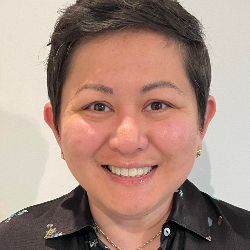
As biotherapeutics become more complex, automation of traditional testing labs falls short of delivering the insights needed for regulatory success. This talk introduces a GxP-native, full-stack AI platform designed to orchestrate and optimize mass spectrometry-based testing workflows across CMC, bioanalysis, and regulatory reporting. Dr. Lieza Danan shares how LiVeritas applies agentic AI to automate data interpretation, reduce error-prone manual steps, and generate submission-ready outputs—already proven in over 10 IND/BLA filings. Rooted in regenerative system design, this infrastructure enables scalable, adaptive, and compliant operations, empowering biopharma teams to accelerate product development with confidence, clarity, and scientific precision.
Technological Trends Shaping the Landscape of Biopharmaceuticals

Currently, the biopharmaceutical industry is undergoing rapid technological advancements that are revolutionizing the development and production of biopharmaceuticals. Consequently, new therapeutic categories are gaining prominence, such as antibody-drug conjugates, bispecific antibodies, advanced therapies, among others. This rapid evolution requires constant vigilance to identify breakthroughs and guide strategic decision-making in this dynamic field. The aim of this strategic foresight analysis is to discuss technological trends for the future of biopharmaceuticals.
Panel Moderator:
PLENARY FIRESIDE CHAT
Deborah Moore-Lai, PhD, Vice President, Protein Sciences, ProFound Therapeutics , Vice President , Protein Sciences , ProFound Therapeutics
Panelists:
Lieza M. Danan, PhD, Co-Founder & CEO, LiVeritas Biosciences , CoFounder & CEO , LiVeritas Biosciences
Aline de Almeida Oliveira, PhD, Competitive Intelligence Office (AICOM), Bio-Manguinhos/Fiocruz, Brazil , Competitive Intellligence Office (AICOM) , Bio-Manguinhos/Fiocruz
Yves Fomekong Nanfack, PhD, Head of AI/ML Research, Takeda , Head of AI/ML - Research , Takeda
Networking Reception in the Exhibit Hall with Poster Viewing
Young Scientist Session Block
YOUNG SCIENTIST MEET-UP
Meet the Moderator at the Plaza in the Exhibit Hall

This young scientist meet-up is an opportunity to get to know and network with members of the BioLogic Summit community. This session aims to inspire the next generation of young scientists with discussion on career preparation, work-life balance, and mentorship.
Close of Day
Wednesday, January 21
Registration Open
Interactive Breakouts Session Block
Interactive Breakout Discussions with Continental Breakfast
Engage in in-depth discussions with industry experts and your peers about the progress, trends, and challenges you face in implementing ML/AI in your work! Interactive discussion groups play an integral role in networking with potential collaborators, provide an opportunity to share examples from your work, and allow you to be part of a group problem-solving endeavor. Please visit the Interactive Breakouts page on the conference website for a complete listing of topics and descriptions.
TABLE 13:
Language Models to Generate 3D Structures
Possu Huang, PhD, Assistant Professor, Bioengineering, Stanford University , Asst Prof , Bioengineering , Stanford University
This discussion group will convene for a discussion of applying language model architecture to protein structural features.
TABLE 14:
Leveraging Large Language Models, Deep Learning, and Graph-Based Architectures to Accelerate Biological Design
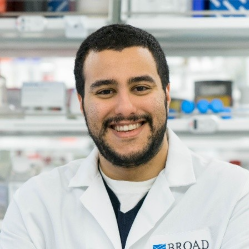
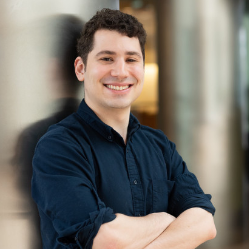
- Developing programmable tools across biological scales
- Creating EVOLVEpro, a few-shot active learning framework optimizing protein function using language models and targeted experimentation
- Developing virtual cell models predicting responses to genetic/chemical perturbations
- Applying these to map aging mechanisms through single-cell perturbation atlases, identifying factors restoring youthful cell states
- Demonstrating how machine learning can model biological complexity and accelerate therapeutic development
AI-DRIVEN PROTEIN DESIGN WITH EXPERIMENTAL VALIDATION
Chairperson's Remarks

Smarter, Not Bigger: Domain-Adapted Multi-Modal ML/AI for Better Antibody Design
Much recent work on multimodal ML/AI for protein design has focused primarily on building larger models. We take an alternative approach, with experiments designed for better multi-modal models—and vice versa. We show that joint modeling allows intelligent integration of alternating rounds of ML-guided display selections and active-learning driven multi-objective optimization of antibodies produced in high throughput via cell-free synthesis, yielding highly developable binders unattainable via either modality alone.
AI Technologies for Programming Biology and Health
We leverage large language models, deep learning, and graph-based architectures to build hierarchical AI systems that span from protein engineering and directed evolution to virtual cells, tissues, and human models—accelerating biological design, therapeutic discovery, and health transformation. Our bottom-up approach integrates multiomics and multi-modal data across molecular-to-clinical scales, creating predictive frameworks that elucidate disease mechanisms, aging processes, and enable personalized health interventions. These platforms revolutionize our ability to not only understand and engineer biology but also model and optimize human health, transforming the entire continuum from molecular discovery through clinical implementation.
Soluble Scaffolding of GPCR Binding Sites with Structure- and ML/AI-Based Methods
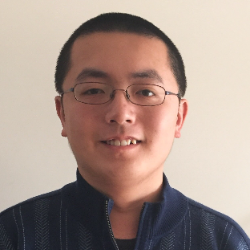
ML/AI-designed epitope scaffolds show promise for ligand discovery in challenging targets, with recent efforts emphasizing the maintenance of binding sites during design. We discuss two studies where we demonstrate the successful creation of scaffolds showing significant ligand binding, with or without an empirically determined protein structure. The scaffolds show robust soluble expression in both bacterial and mammalian systems (> 30 mg/L), have proper disulfide bond formation confirmed by MS, are monodisperse by aSEC, have high alpha-helical content as predicted, and show double-digit nM binding to native ligand by BLI. Further structural characterization of the protein-ligand complexes is underway, and lessons learned from the design process are discussed.
Sponsored by: Unlocking Novel Therapeutic Space: ALiCE HTPE as the Cell-Free Data Engine for AI-Guided Design of Next-Gen Formats

Jonathan Fauerbach, Head of R&D, R&D, LenioBio GmbH , Head of R&D , R&D , LenioBio GmbH
Coffee Break in the Exhibit Hall with Poster Viewing
Keynote Session Block
KEYNOTE SESSION
Chairperson's Remarks
Incorporating in silico Tools into Antibody Discovery: Challenges and Opportunities

Antibody discovery is being transformed by the integration of in silico tools, from machine learning models to structure-based design. This presentation will explore how computational methods are being incorporated into discovery pipelines at scale, highlighting key opportunities for accelerating candidate selection and improving developability. It will also address ongoing challenges—including data quality, model interpretability, and cross-disciplinary integration—that must be overcome to realize the full potential of AI-driven antibody discovery.
AI for Antibody Design - Going Beyond the Static
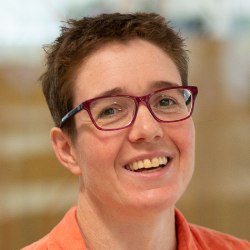
We can now computationally predict a single, static protein structure with high accuracy. However, we are not yet able to reliably predict structural flexibility. This ability to adapt their shape can be fundamental to their functional properties. A major factor limiting such predictions is the scarcity of suitable training data. I will show novel tools and databases that help to overcome this.
Redesigning Antibody CDRs to Improve Developability Properties Using Machine LearningÂ
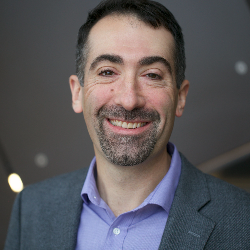
Antibody complementarity-determining regions (CDRs) form complex 3D surfaces that mediate high-affinity interactions with their target antigens. Some of the same sites in CDRs that mediate specific antibody binding also mediate undesirable developability properties. Here, we report methods for redesigning antibody CDRs—including those at sites in or near the paratope—to improve developability while maintaining high affinity and specificity.
Transition to Lunch
Luncheon Presentation: Sponsored by: LUNCHEON PRESENTATION: Ginkgo Datapoints Antibody Developability Competition Outcomes: Limited Model Performance and a Call for Data Standardization


Antibody clinical viability depends critically on developability attributes, yet predictive model development is hampered by limited, heterogeneous data and poor generalization. To address this gap, we established the 2025 Ginkgo Datapoints Developability Competition, creating a new, blinded benchmark for developability modeling. We will share key observations of the competition, including model overfitting and limited out-of-distribution generalization. Future advances in modeling require larger, standardized datasets and more rigorous evaluation frameworks to translate predictive models into reliable design tools.
Session Break
Refreshment Break in the Exhibit Hall with Poster Viewing
USE OF STRUCTURE-PREDICTION METHODS TO UNCOVER BIOLOGY AND MECHANISMS
Chairperson's Remarks
Biomolecular Modeling with Boltz
Accurately modeling biomolecular interactions is a central challenge in modern biology. While recent advances have substantially improved our ability to predict biomolecular complex structures, these models still fall short in predicting binding affinity and generating accurate de novo designs. Here, we present the Boltz model series, open-source models for structure, binding affinity, and design that provide a robust and extensible foundation for both academic and industrial research.
AI-Assisted Protein Design to Rapidly Convert Antibody Sequences to Intrabodies Targeting Diverse Peptides and Histone Modifications
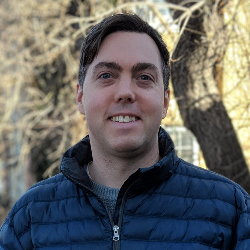
An AI-guided pipeline will be discussed that integrates AlphaFold2, ProteinMPNN, and live-cell screening to convert conventional antibody sequences into functional intrabodies for use inside living cells. Our approach optimizes antibody frameworks while preserving epitope-binding regions, rescuing 18 previously nonfunctional sequences—including a panel for imaging histone modifications. This method offers a scalable, cost-effective route to intrabody development and opens new doors for live-cell imaging and functional studies.
Panel Moderator:
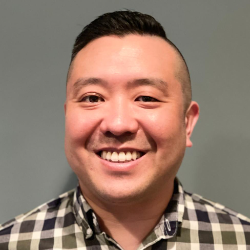
PANEL DISCUSSION:
Sponsored by: An Honest Conversation about What It Takes to Make ML Work in Biotherapeutics


Panelists:




Refreshment Break in the Exhibit Hall with Poster Viewing
Interactive Breakouts Session Block
Interactive Breakout Discussions
Engage in in-depth discussions with industry experts and your peers about the progress, trends, and challenges you face in implementing ML/AI in your work! Interactive discussion groups play an integral role in networking with potential collaborators, provide an opportunity to share examples from your work, and allow you to be part of a group problem-solving endeavor. Please visit the Interactive Breakouts page on the conference website for a complete listing of topics and descriptions.
TABLE 3:
Large-Scale Antibody Discovery Benchmarking Challenge #2

- Review launch of the next phase of the AIntibody Competition Series, during which participants will have four months, using any method (in vivo immunization, in vitro techniques, or ML/AI) to generate human antibodies against targets to be revealed at the challenge’s startÂ
- Evaluate target affinity, developability (minimum score), and submission timeÂ
- Goals of the challenge include fostering innovation, expediting therapeutic antibody development, benchmarking capabilities, and providing insights into technology cost–benefit profiles transparently
TABLE 4:
Structure-Guided Antibody and Immunogen Design

- Structural biology to map epitope footprints—how important is it still to define epitopes/paratopes experimentally for precise targeting—is AI already there?
- Structure prediction and computational design—machine learning or physics-based?
- Antibody challenges—structure prediction, dynamics, design, diversity, glycan shields, breadth
- When will we have an AI designed therapeutic/vaccine?
Close of Day
Thursday, January 22
Registration Open
Plenary Keynote Session Block
PLENARY KEYNOTE SESSION
Welcome Remarks
Christina Lingham, Fellow & Executive Director, Conferences, Cambridge Healthtech Institute , Exec Dir Conferences , Conferences , Cambridge Healthtech Institute
Plenary Keynote Introduction
Andrew Nixon, PhD, Senior Vice President, Global Head Biotherapeutics Discovery, Boehringer Ingelheim Pharmaceuticals Inc. , SVP, Global Head Biotherapeutics Discovery , Biotherapeutics Discovery Research , Boehringer Ingelheim Pharmaceuticals Inc
New Frontier of Biotherapeutic Discovery: Where Machine Learning Meets Molecular Design

The integration of AI into antibody discovery is transforming biotherapeutic development by accelerating timelines, improving success rates, and enabling access to challenging targets. At Lilly, we leverage a host of predictive tools to enable rapid high-quality hit selection, which is becoming our standard process to accelerate our discovery programs. Furthermore, our scientists have successfully utilized generative AI to explore previously inaccessible sequence space and engineer optimized antibodies with superior properties.
Panel Moderator:
PLENARY FIRESIDE CHAT:
End-to-End in silico-Designed Biologics
Panelists:
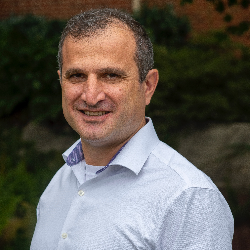
Coffee Break in the Exhibit Hall with Poster Viewing
Women in Science Session Block
WOMEN IN SCIENCE MEET-UP
Meet the Moderators at the Plaza in the Exhibit Hall

Join us for an inspiring Women in Science Meet-Up at this year’s BioLogic Summit—an inclusive meet-up designed to connect, uplift, and celebrate women across all stages of their scientific careers. Engage in meaningful conversations, share your journey, and gain insights from trailblazing women shaping the future of bioprocessing. Whether you're a newcomer or a seasoned professional, this is a chance to build a supportive network, foster mentorship, and discuss opportunities and challenges unique to women in the field. Our Women in Science programming invites the entire scientific community to discuss these barriers as we believe that all voices are necessary and welcome.
PROTEIN DESIGN AND ML-BASED STRUCTURE PREDICTIONS
Chairperson's Remarks
Targeted Protein Design and Down-Selections for Diagnostics and Therapeutics

De novo protein design traditionally overlooks conformational dynamics and desolvation—factors critical for protein function. We introduce a computational workflow that integrates these properties at the earliest design stages. By analyzing molecular dynamics and calculating desolvation energies, our approach more effectively identifies viable candidates than static methods. This strategy boosts the predictive power of design tools, significantly improving the success rate for developing stable and functional proteins.
Next-Generation Rationally Designed Vaccines for Broad Influenza Immunity
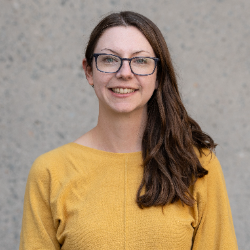
Influenza vaccines tend to induce strain-specific antibodies against the hemagglutinin (HA) protein that protect against a narrow range of strains, thus requiring updated annual vaccines for ongoing protection. Rare, broadly reactive antibodies that recognize a diverse range of influenza HAs have been isolated from humans. We explore these broadly reactive antibodies as templates for designing universal vaccines for influenza.
De novo Antibody & VHH Library Design Using Diffusion, GNN, and Language Models

Generating a library of antibody designs that is epitope-specific and highly developable is extremely challenging. There have been few, if any, studies rigorously combining and comparing design approaches to identify an optimal toolbox. To systematically address this problem, we compared exhaustive combinations of classical and deep learning-based methods according to their relative success rates in yeast display binding measurements. This allowed us to identify optimal workflows for similar design efforts.
AI-DRIVEN PROTEIN DESIGN WITH EXPERIMENTAL VALIDATION (CONT.)
LICHEN: Light-Chain Immunoglobulin Sequence Generation Conditioned on the Heavy Chain and Experimental Needs
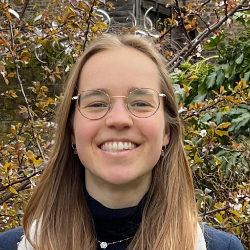
In developing therapeutic antibodies, the heavy chain is often prioritized while appropriate pairing of the light sequence is important for functionality. We introduce LICHEN, a heavy-chain-conditioned light sequence generation tool that enables collaborative design by leveraging computational capabilities alongside experimental expertise. LICHEN generates valid and diverse light sequences which are a fit for the heavy sequence, as demonstrated with high expression yields and retained affinity in vitro.
Enjoy Lunch on Your Own
Ice Cream & Cookie Break in the Exhibit Hall with Last Chance for Poster Viewing
AI FOR DESIGNING DEVELOPABLE MULTISPECIFIC ANTIBODIES
Chairperson's Remarks
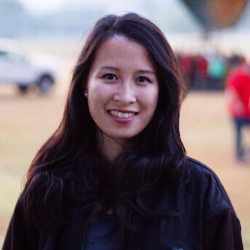
Predictive Modeling for Bi- and Trispecific Antibodies

Computational models are now widely used to predict critical antibody properties such as binding affinity, immunogenicity, and developability. While most AI-driven methods have been tailored for conventional monoclonal antibodies, the therapeutic landscape is increasingly dominated by complex multispecific formats. This talk will address this gap by focusing on property modeling for bi- and trispecific antibodies.
Developability and Molecular Assessment of Multispecifics

The growing interest in bi- and multispecific therapeutic proteins stems from their unique modes of action. While significant progress has been made in predicting developability for standard antibodies, these complex formats present ongoing research challenges, highlighting the need for improved tools. This presentation will discuss various in silico approaches (and their associated remaining challenges) aimed at predicting the critical features required for designing developable multispecific drug candidates.
Multibodies: Multispecific Antibodies with High Affinity and Specificity and Good Developability Profile Designed Using AI
Design of multispecific biologics typically involves connecting different subunits that bind different targets. These non-natural asymmetric formats present major developability challenges, including poor expression, suboptimal stability, high immunogenicity, charge asymmetry, and manufacturing difficulties. Here, we show AI usage for designing multibodies: natural, symmetric IgG antibodies that are multispecific and highly developable. We present numerous examples of multibodies with experimental data suggesting that multibodies can solve many challenges of therapeutic multispecifics.
Expanding in silico Developability Assessment from Conventional Antibodies

AstraZeneca’s InSiDe (In Silico Developability) platform provides cross-pipeline insights into antibody developability risk via machine learning models for non-specific binding, self-association, chemical liabilities, etc. As interest in multi-specific therapeutics grows, so does the need for in silico developability predictions for these complex formats, posing additional challenges relative to conventional antibodies. Here, we identify gaps where computational approaches used for conventional antibodies are insufficient and discuss approaches to overcome these hurdles.
Panel Moderator:
PANEL DISCUSSION:
Toward Improved Multispecific Antibody Design
Panelists:

Close of BioLogic Summit
For more details on the conference, please contact:
Christina Lingham
Executive Director, Conferences and Fellow
Cambridge Healthtech Institute
Phone: (+1) 508-813-7570
Email: clingham@healthtech.com
For sponsorship information, please contact:
Companies A-K
Jason Gerardi
Senior Manager, Business Development
Cambridge Healthtech Institute
Phone: (+1) 781-972-5452
Email: jgerardi@healthtech.com
Companies L-Z
Ashley Parsons
Manager, Business Development
Cambridge Healthtech Institute
Phone: (+1) 781-972-1340
Email: ashleyparsons@healthtech.com